

Laura Beane Freeman, Ph.D.
NCI Shady Grove | Room 6E136
Biography
Dr. Beane Freeman received her doctorate in epidemiology from the University of Iowa, Iowa City, in 2003 and completed postdoctoral training in the Occupational and Environmental Epidemiology Branch (OEEB). In 2009 she was appointed to the tenure track and awarded scientific tenure by the NIH in 2017. She is the NCI Principal Investigator of the Agricultural Health Study, the Early Life Exposures in Agriculture Study, and the NCI Formaldehyde Industries cohort.
Dr. Beane Freeman has received numerous awards recognizing her work, including two NCI Director’s Innovation Awards, and the DCEG Mentoring Award. She is anelected member of the Management Group of the International Epidemiology in Occupational Health (EPICOH) society and the NIH Women Scientist Advisors, representing DCEG.
Research Interests
Dr. Beane Freeman investigates cancer risk associated with a number of occupational and environmental exposures. Specifically, she studies the agricultural environment, including pesticides; industrial chemical exposures such as formaldehyde; and drinking water contaminants, such as disinfection by-products.
Agricultural Exposures
Studies around the world have observed that farmers and other agricultural workers are at elevated risk of several specific cancers, despite lower overall mortality and, in particular, cancer mortality. In this occupational group, excess risks are observed for Hodgkin lymphoma, non-Hodgkin lymphoma, leukemia, multiple myeloma, and cancers of the brain, skin, lip, stomach, and prostate. Exposures suspected of contributing to the excesses include pesticides, viruses, mycotoxins, well-water contaminants, and a variety of other agents encountered in the agricultural environment.
The Agricultural Health Study is a collaboration of the NCI, the National Institute of Environmental Health Sciences, the National Institute for Occupational Safety and Health, and the Environmental Protection Agency to evaluate agricultural exposures that may be related to cancer and other health outcomes. This prospective cohort study of approximately 90,000 participants includes licensed private pesticide applicators and their spouses in Iowa and North Carolina, and commercial applicators in Iowa.
In addition to pesticides, Dr. Beane Freeman is investigating other exposures within the agricultural environment such as exposure to livestock and poultry, diesel exhaust and endotoxins, and other bioaerosols. There is increasing evidence that early life exposures may influence disease risk in adulthood. Therefore, she has initiated a study of offspring of the AHS participants to investigate how their childhood farm exposures may affect their health in later life. Finally, she is actively collaborating within the AGRICOH consortium, a collection of agricultural cohorts around the world, to replicate and extend a number of findings in the AHS.
Formaldehyde
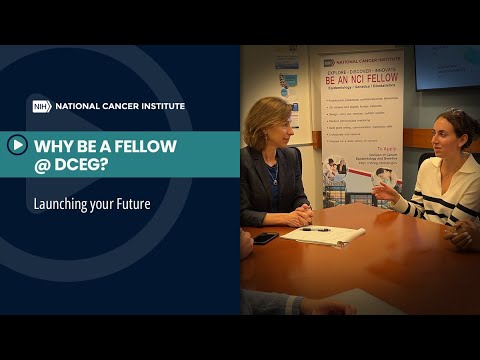
Why Be a Fellow: Launching Your Future
Dr. Beane Freeman’s research on formaldehyde exposure and cancer risk has focused on (1) whether occupational exposure to formaldehyde increases the risk of cancer at a number of sites, specifically the respiratory tract and lymphohematopoietic malignancies, and (2) the biologic plausibility of formaldehyde carcinogenicity, particularly at sites distant from the respiratory tract.
She conducts this work within the NCI Cohort of Workers in Formaldehyde Industries, the largest study of occupationally exposed workers, including over 25,000 participants. The most recent follow-up added another 10 years of mortality data, allowing sufficient person-years to explore effects at different time periods and offered further insight into temporality of potential associations between formaldehyde and leukemia and other lymphohematopoietic malignancies.
Drinking Water Contaminants
Water disinfection—a public health triumph—reduces morbidity and mortality due to infectious disease. However, by-products resulting from the chemical reactions of disinfectants and organic matter in the water have been linked to increased risk of bladder cancer. This important public health concern raises many interesting and unresolved scientific questions related to the specific etiologic agents in the chemical mixture, as well as risks associated with route of exposure and overall exposure. To address these gaps, Dr. Beane Freeman leads investigations of bladder cancer risk using the most comprehensive exposure assessment of disinfection by-products to date.
Information for Journalists
To request an interview with a DCEG investigator, please complete this form: Request For Comment | HHS.gov.