
Current Fellows in the Biostatistics Branch

Meet the fellows in the Biostatistics Branch (BB) and learn about their work.
Meet the fellows in the Biostatistics Branch (BB) and learn about their work.
-
 Sumaja Bandreddi, M.S.
Sumaja Bandreddi works on semi-continuous analyses of data from the Prostate, Lung, Colorectal, and Ovarian Cancer Screening Trial.
-
 Sergio Chávez, Ph.D.
Dr. Chávez, postdoctoral fellow in BB, develops mathematical and computational methods for mutational signature analysis.
-
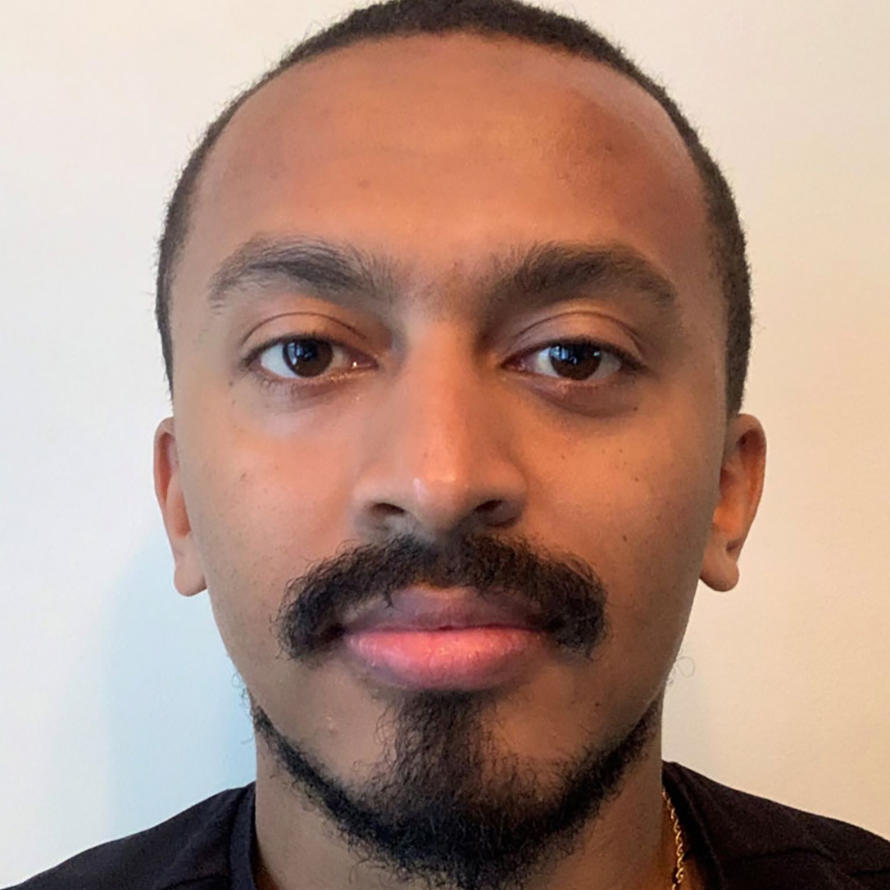 Michael Kebede
Dr. Kebede applyies novel machine learning methods to characterize and forecast physical activity patterns and forecast in unique populations.
-
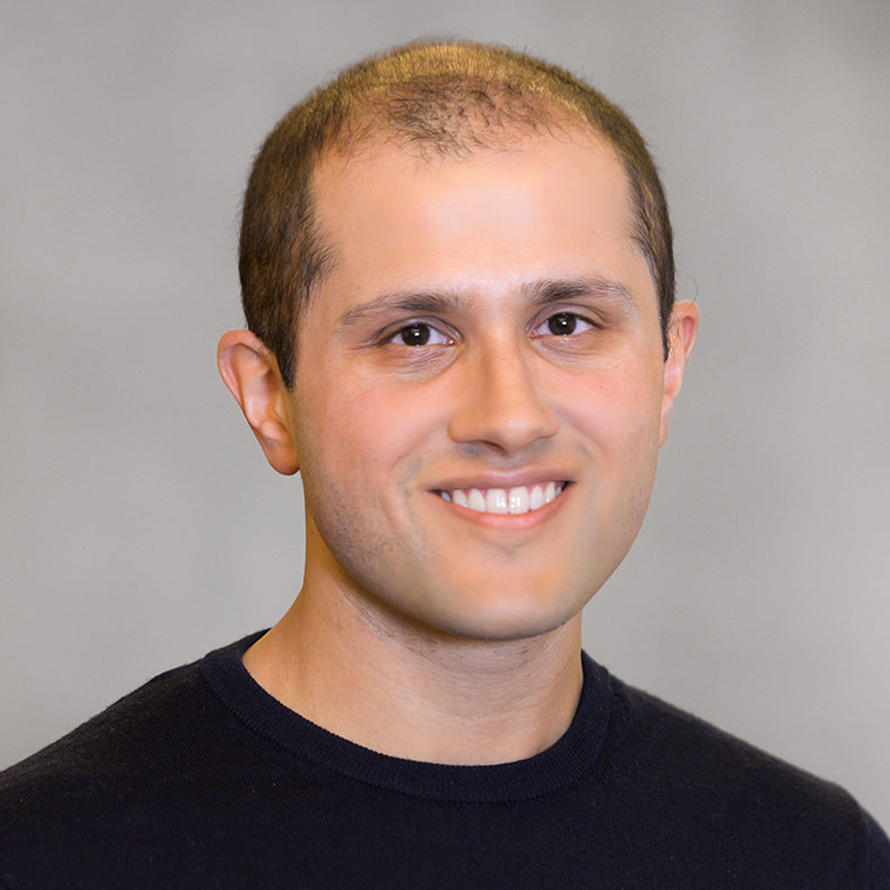 Siddharth Roy, Ph.D.
Dr. Roy develops methods for identifying longitudinal biomarkers data for time-to-cancer outcomes in high-dimensional settings.
-
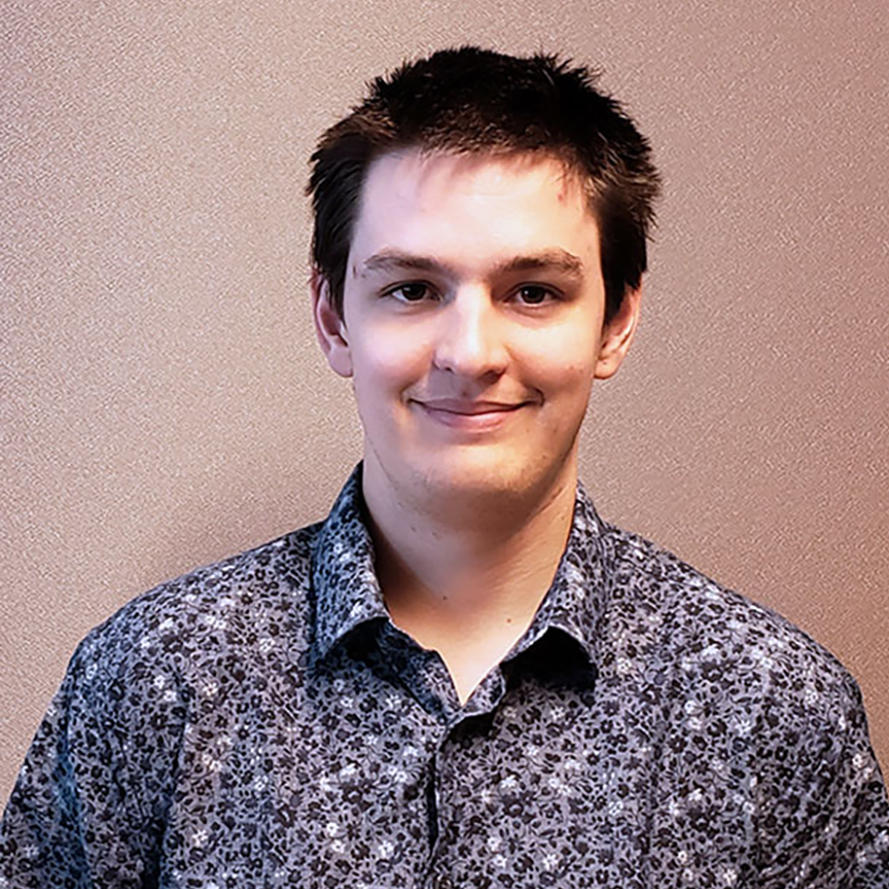 Jacob Williams, Ph.D.
Dr. Williams conducts research with the goal of creating a method to obtain polygenic risk scores from rare genomic variants and combine them with polygenic risk scores from common genomic variants to ultimately increase accuracy.
-
 Thomas Veith, Ph.D.
Dr. Veith studies tumor evolution and complex genomic features through whole-genome sequencing–based studies.
-
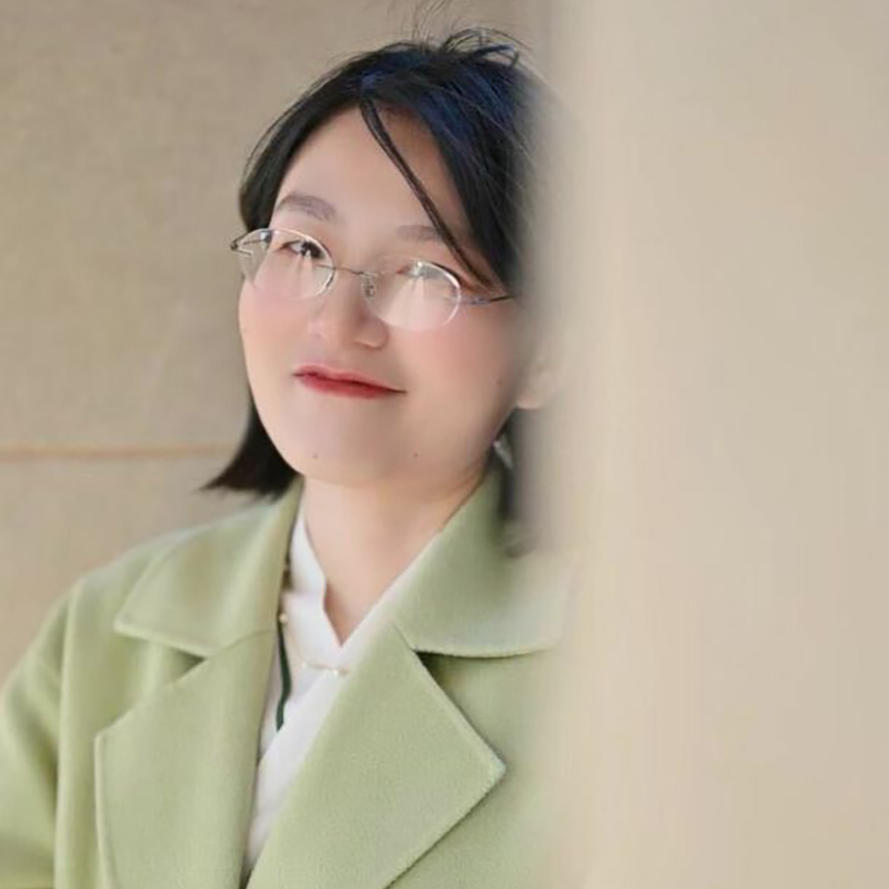 Pei Zhang, Ph.D.
Dr. Zhang develops mixed modeling approaches to examine the relationship between high-dimensional biomarker/genomics data and subsequent cancer risk.